


As a supplier of laboratory white gowns, I've had numerous discussions with professionals from various scientific fields. One question that often arises is whether laboratory white gowns can be worn in forensic laboratories. To address this query comprehensively, we need to delve into the specific requirements of forensic laboratories, the characteristics of laboratory white gowns, and the potential implications of using them in such an environment.
The Requirements of Forensic Laboratories
Forensic laboratories are unique workplaces that deal with evidence collection, analysis, and preservation. The primary goal is to ensure the integrity of the evidence and the safety of the forensic scientists. These laboratories are often involved in criminal investigations, where the results of their analyses can have far - reaching legal consequences.
Contamination Control
One of the most critical aspects of forensic laboratories is contamination control. Any form of contamination can compromise the evidence, leading to inaccurate results and potentially wrongful convictions. Forensic scientists handle a wide range of samples, including DNA, fingerprints, and trace evidence. Even the slightest contamination from external sources can render these samples useless.
Protection Against Hazards
Forensic laboratories may also expose workers to various chemical, biological, and physical hazards. Chemicals used in analysis, such as solvents and reagents, can be toxic or corrosive. Biological samples may contain pathogens that pose a risk of infection. Physical hazards, such as sharp objects or radiation sources, are also present in some forensic testing procedures.
Adherence to Standards
Forensic laboratories are subject to strict regulatory standards and guidelines. These standards are designed to ensure the quality and reliability of the forensic work. For example, the ISO 17025 standard for testing and calibration laboratories sets out requirements for competence, impartiality, and consistent operation.
Characteristics of Laboratory White Gowns
Laboratory white gowns are a common sight in many scientific laboratories. They are typically made of cotton or a cotton - polyester blend, which provides a certain level of comfort and breathability.
Basic Protection
The primary function of a laboratory white gown is to provide a basic level of protection against spills and splashes. They act as a barrier between the wearer's clothing and the potentially hazardous substances in the laboratory. For example, if a chemical is accidentally spilled, the gown can absorb the liquid and prevent it from reaching the skin or clothing.
Visibility and Identification
The white color of the gown makes it easy to spot any contaminants or spills. It also serves as a visual indicator of the wearer's professional status and affiliation with the laboratory. In a busy laboratory environment, it helps to quickly identify who is authorized to be in the area.
Ease of Cleaning
Laboratory white gowns are relatively easy to clean. They can be washed in a regular washing machine, which makes them a cost - effective option for laboratories with a large number of users.
Suitability of Laboratory White Gowns in Forensic Laboratories
Advantages
- Cost - effective: Laboratory white gowns are generally more affordable than specialized forensic protective clothing. Forensic laboratories with limited budgets may find them to be a practical option, especially for routine tasks that do not involve high - risk materials.
- Comfort: The breathable nature of cotton - based white gowns can provide comfort during long hours of work. This is important for forensic scientists who may need to spend extended periods in the laboratory conducting analyses.
- Basic Contamination Control: For some low - risk forensic tasks, such as general administrative work or handling non - sensitive samples, laboratory white gowns can offer a basic level of contamination control.
Disadvantages
- Limited Protection Against Contamination: Laboratory white gowns may not provide sufficient protection against cross - contamination in forensic laboratories. The porous nature of cotton can allow small particles and microorganisms to pass through. In forensic work, where even the smallest amount of contamination can be significant, this is a major drawback.
- Lack of Resistance to Hazards: Standard laboratory white gowns may not be resistant to the specific chemicals and biological agents commonly encountered in forensic laboratories. For example, they may not be able to withstand the corrosive effects of certain solvents or protect against the transmission of pathogens.
- Non - compliance with Standards: Some forensic regulatory standards may require the use of more specialized protective clothing. Wearing a laboratory white gown may not meet these requirements, which could lead to non - compliance and potential legal issues.
Alternative Protective Clothing Options
Repeated Cleaning Protective Clothing
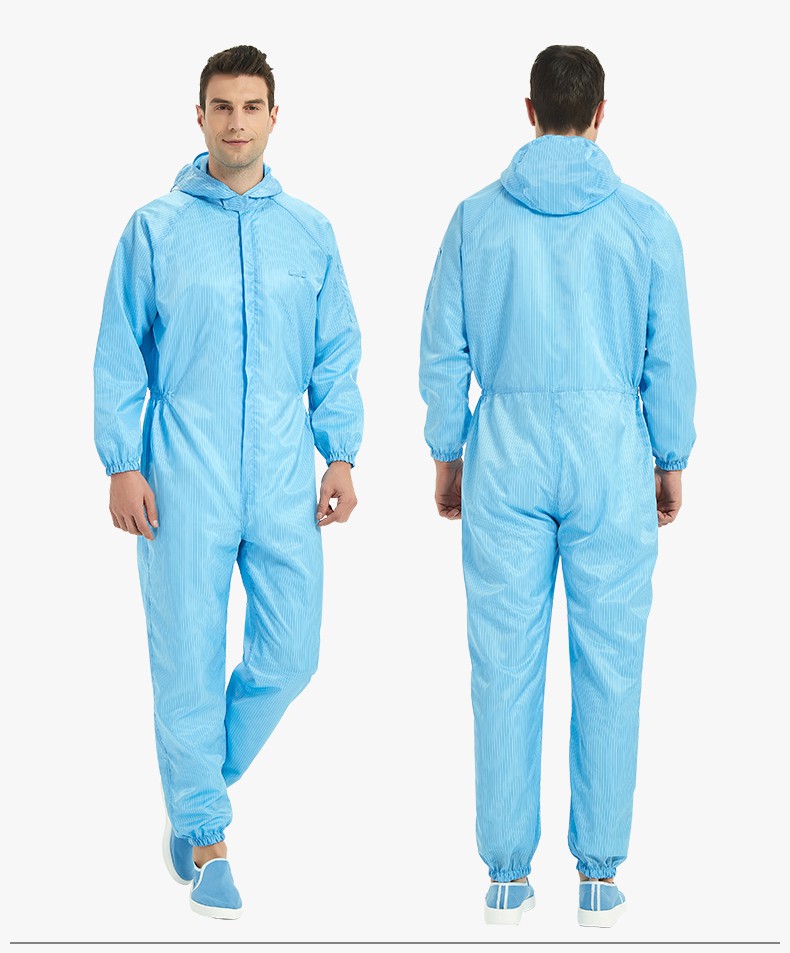
Forensic laboratories may consider using Repeated Cleaning Protective Clothing. These garments are designed to be durable and can withstand multiple cleaning cycles. They often have enhanced resistance to chemicals and biological agents, providing better protection against contamination.
Basic Protective Clothing
Basic Protective Clothing can offer a step up from standard laboratory white gowns. They are made of materials that provide better barrier properties and are more resistant to spills and splashes. These garments can be a suitable option for medium - risk forensic tasks.
Clean Room Protective Clothing
In forensic laboratories that deal with highly sensitive samples, such as DNA analysis, Clean Room Protective Clothing may be necessary. These garments are designed to minimize the release of particles and microorganisms, which is crucial for maintaining the integrity of the samples.
Conclusion
In conclusion, while laboratory white gowns have their advantages in terms of cost, comfort, and basic protection, their suitability in forensic laboratories is limited. Forensic laboratories require a higher level of contamination control and protection against hazards than what a standard laboratory white gown can provide.
However, this does not mean that laboratory white gowns have no place in forensic laboratories. They can still be used for low - risk tasks or in areas where the risk of contamination is minimal. For high - risk and sensitive forensic work, specialized protective clothing is essential to ensure the accuracy of the results and the safety of the forensic scientists.
If you are a forensic laboratory looking for the right protective clothing solutions, I encourage you to reach out to discuss your specific needs. Our team of experts can help you select the most appropriate protective clothing options based on the nature of your work and the regulatory requirements you need to meet. We offer a wide range of laboratory white gowns and other protective clothing products to suit different budgets and applications. Contact us today to start a conversation about your procurement needs.

References
- ISO 17025:2017, General requirements for the competence of testing and calibration laboratories.
- Forensic Science Regulator, Standards and guidance for forensic science providers in the UK.


